
Millimeter Wave & Microwave Antennas
Mi-Wave provides a comprehensive portfolio of high-performance antenna products engineered for RF, microwave, millimeter-wave, and sub-millimeter-wave systems operating across some of the industry’s most demanding frequency ranges. Designed for precision, repeatability, and long-term reliability, Mi-Wave antennas deliver controlled radiation characteristics, stable electrical performance, and rugged mechanical construction for advanced high-frequency applications.
From microwave through mmWave and emerging sub-millimeter-wave technologies, Mi-Wave antenna solutions are built to support modern communication systems, radar platforms, telemetry systems, RF laboratories, aerospace programs, scientific instrumentation, and advanced research environments where signal integrity and predictable performance are critical.
Mi-Wave antennas are engineered to provide:
- Smooth and predictable radiation patterns
- Stable polarization performance
- Broadband impedance matching
- High aperture efficiency
- Low sidelobe characteristics
- Low VSWR and insertion loss
- Repeatable gain and beam performance
- Reliable mechanical stability
- Compatibility with standard microwave and millimeter-wave waveguide systems
Whether supporting precision laboratory measurements, broadband communication links, radar system development, or advanced mmWave experimentation, Mi-Wave antennas are engineered to provide the performance, consistency, and integration flexibility required in today’s high-frequency RF environments.
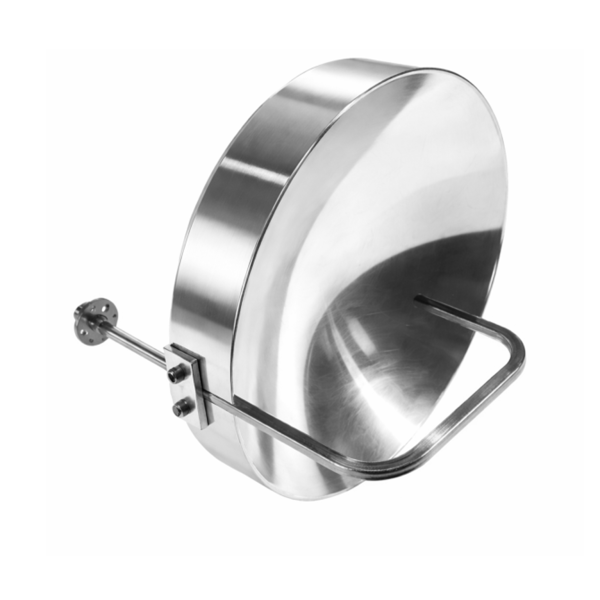
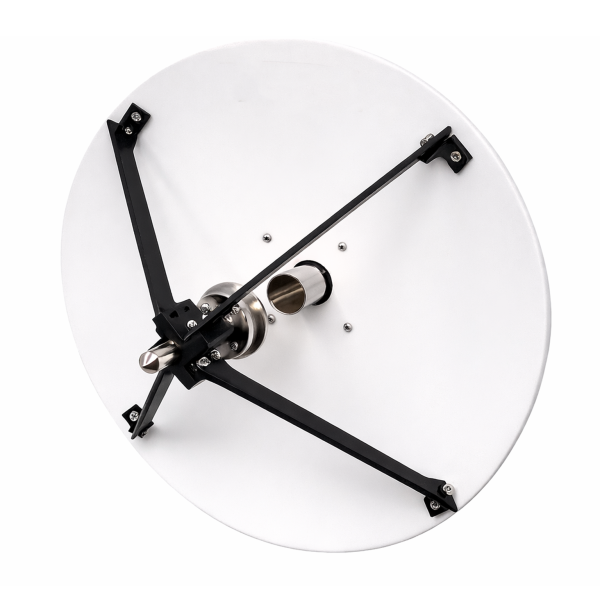
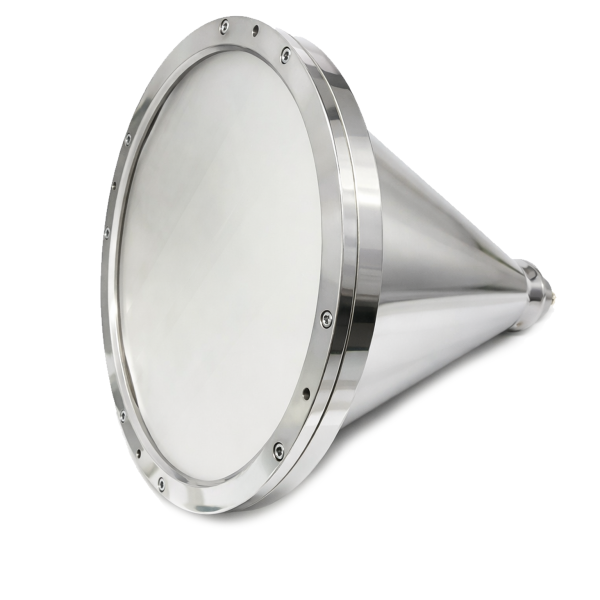
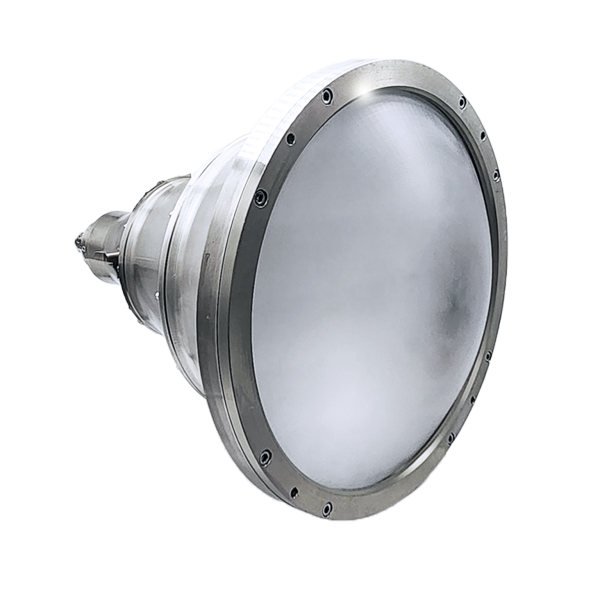
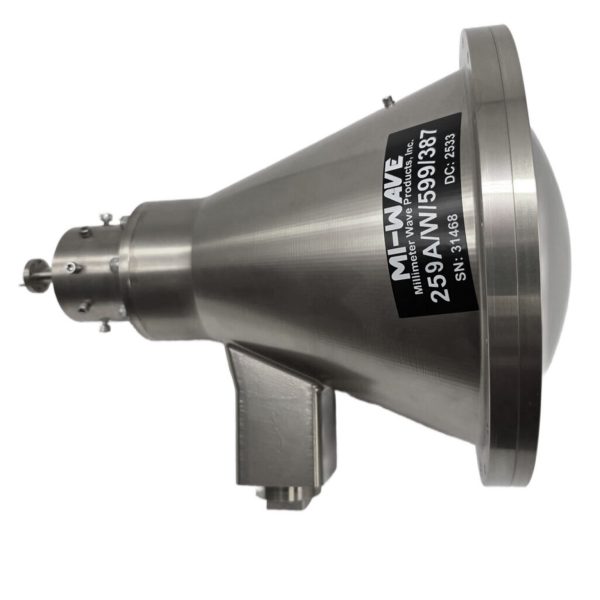
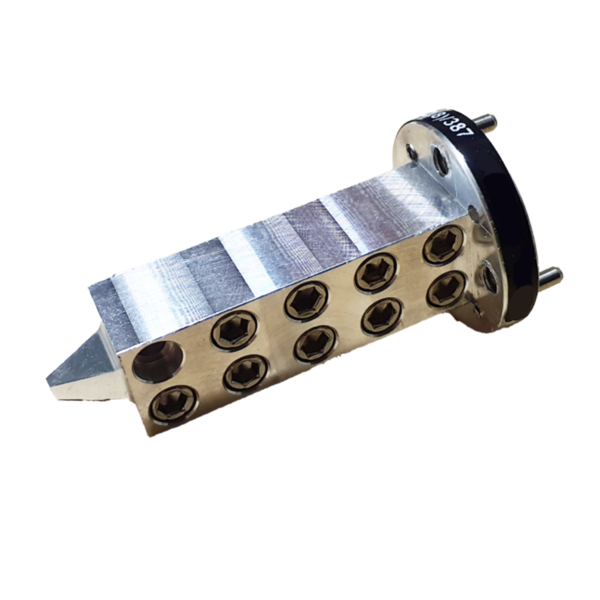
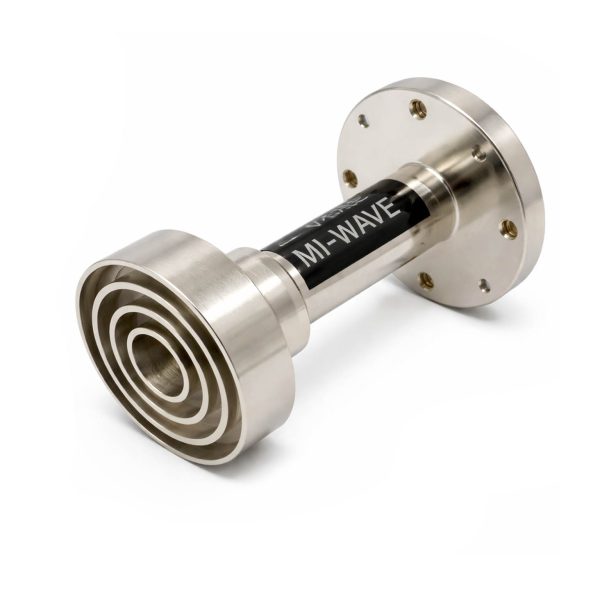
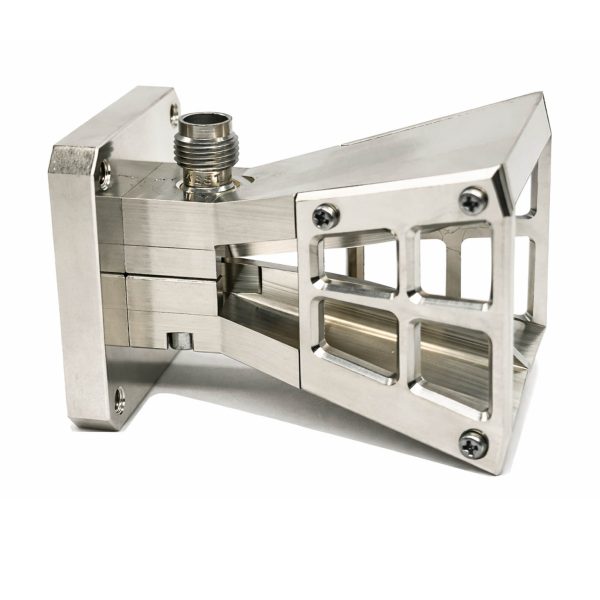
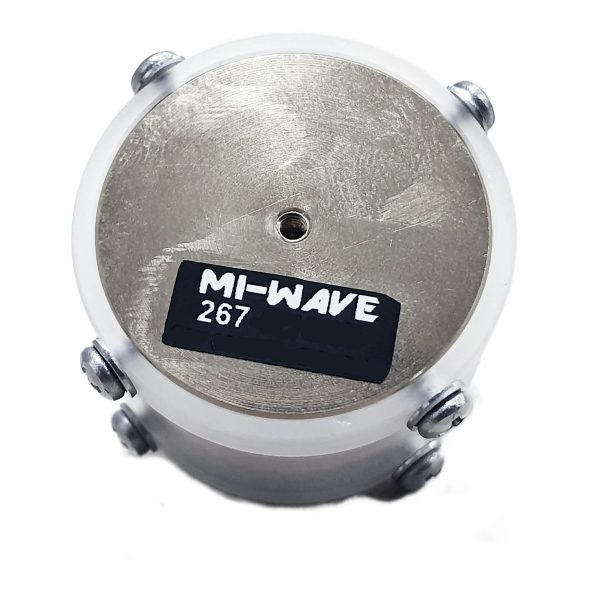
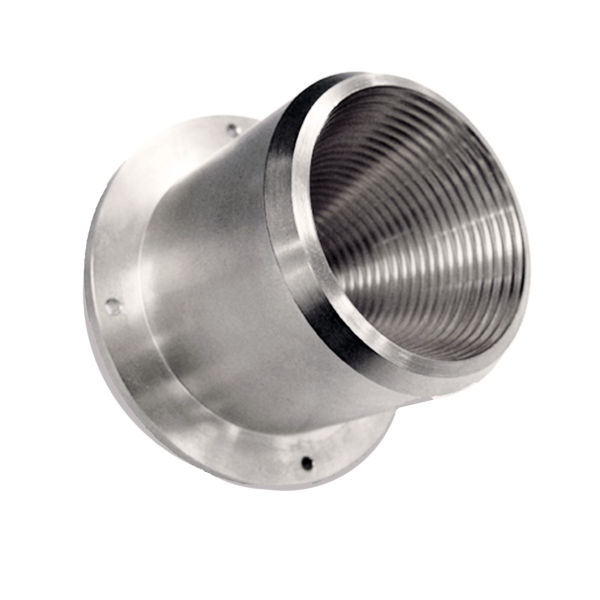
In addition to standard catalog products, Mi-Wave designs and manufactures custom antenna solutions tailored to specific system requirements, including specialized reflector geometries, custom feed assemblies, extended frequency coverage, dual-polarization architectures, waveguide transitions, beamwidth optimization, environmental hardening, and fully integrated RF subsystem configurations.
Many Mi-Wave antenna systems support advanced dual-polarized architectures through integration with the Series 281 Orthomode Transducer (OMT). These systems allow separate Vertical (V) and Horizontal (H) polarization channels to operate simultaneously through the same antenna aperture while maintaining high isolation between signal paths. This capability improves spectral efficiency, system flexibility, polarization diversity, and overall RF system integration in high-capacity communication and radar environments.
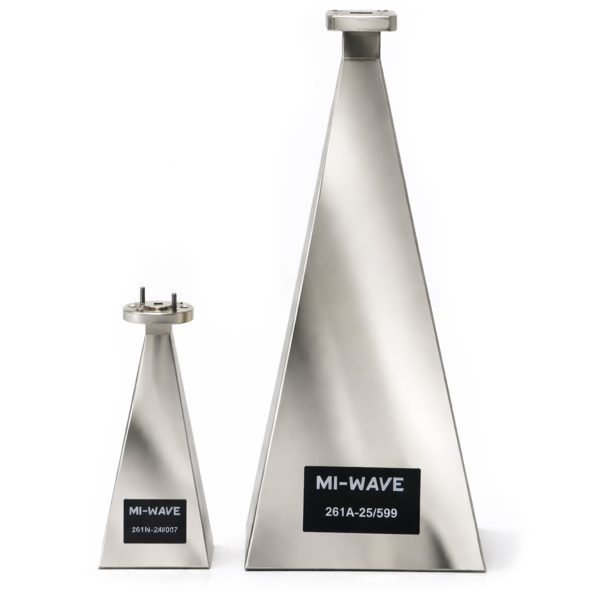
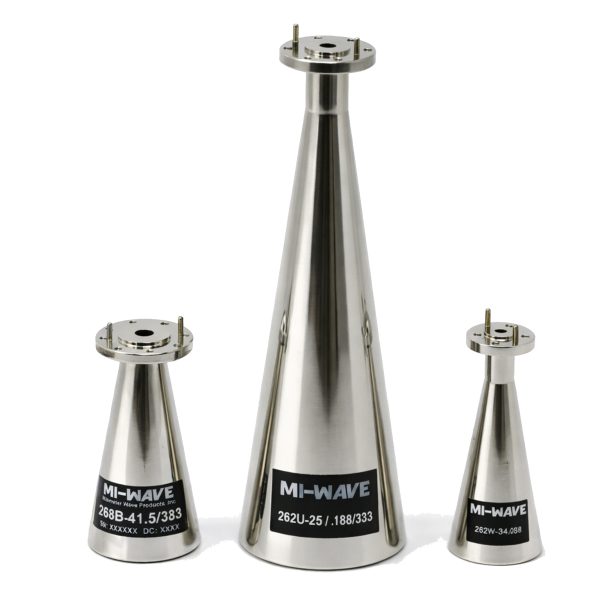
The standard models shown represent only part of Mi-Wave’s broader product capabilities. Custom configurations are available to support specific frequency bands, interfaces, and application requirements, enabling optimized solutions for specialized RF, microwave, and millimeter-wave systems.
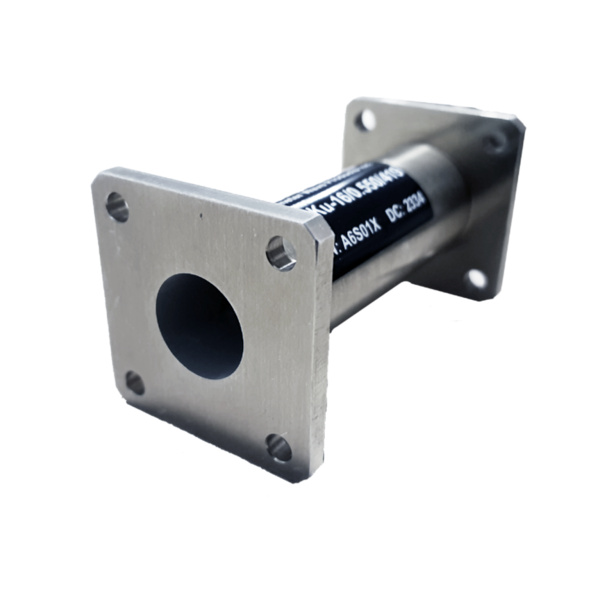
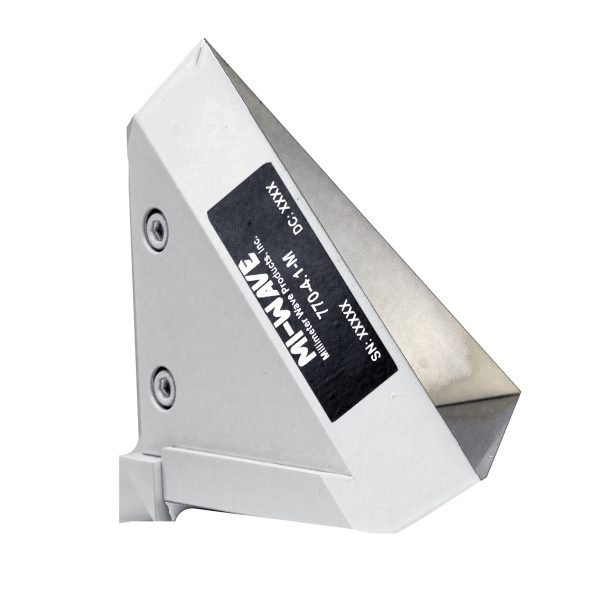
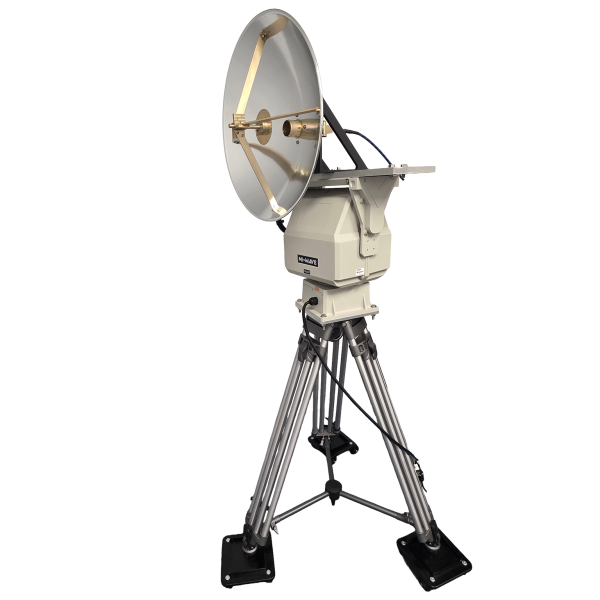
Custom Antenna Solutions
Custom Antenna Solutions
In addition to our standard antenna offerings, Mi-Wave provides custom antenna design and manufacturing services to meet unique application requirements. Our engineering team works closely with customers to develop antennas tailored to specific:
-
Frequency ranges and bandwidth requirements
-
Waveguide or coaxial interfaces
-
Beamwidth, gain, and radiation pattern specifications
-
Polarization requirements
-
Mechanical size, mounting, and environmental constraints
-
Laboratory, field, or outdoor deployment needs
Whether modifying an existing design or developing a completely new antenna solution, Mi-Wave delivers custom high-frequency antennas optimized for performance, reliability, and seamless system integration