
Products> Antennas >Dual Polarized Antennas > RHCP/LHCP Antennas
Advanced Antenna Polarization Architectures
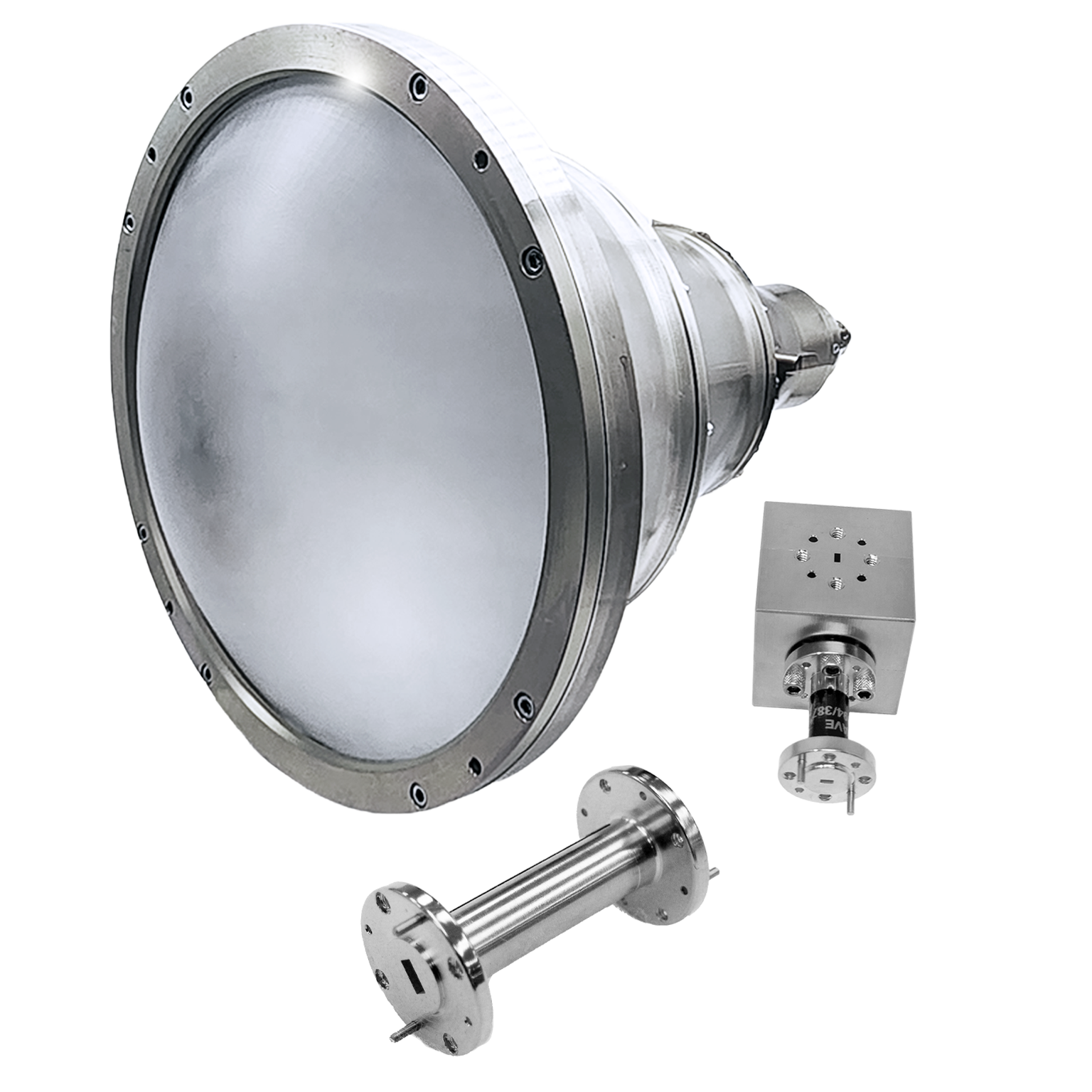
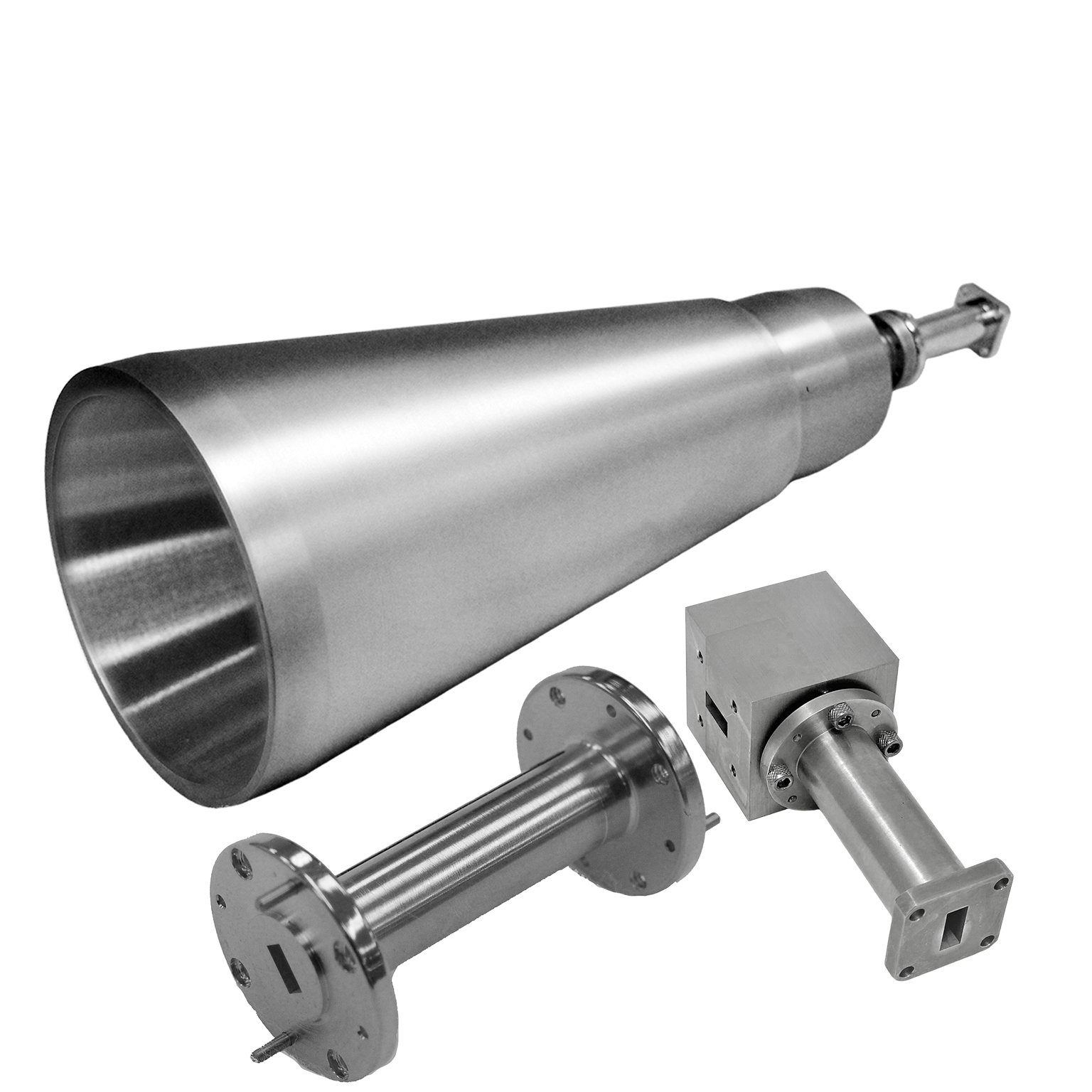
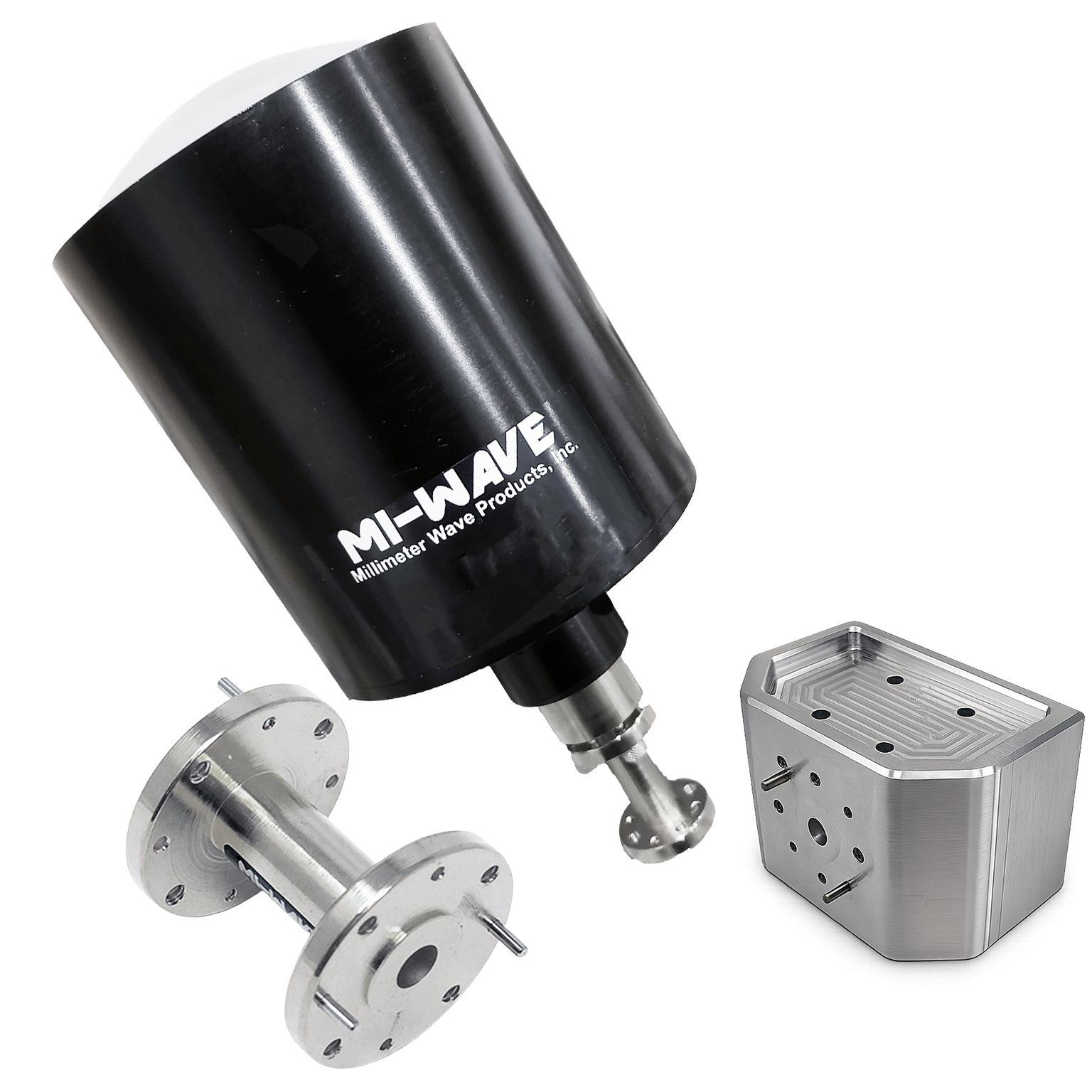
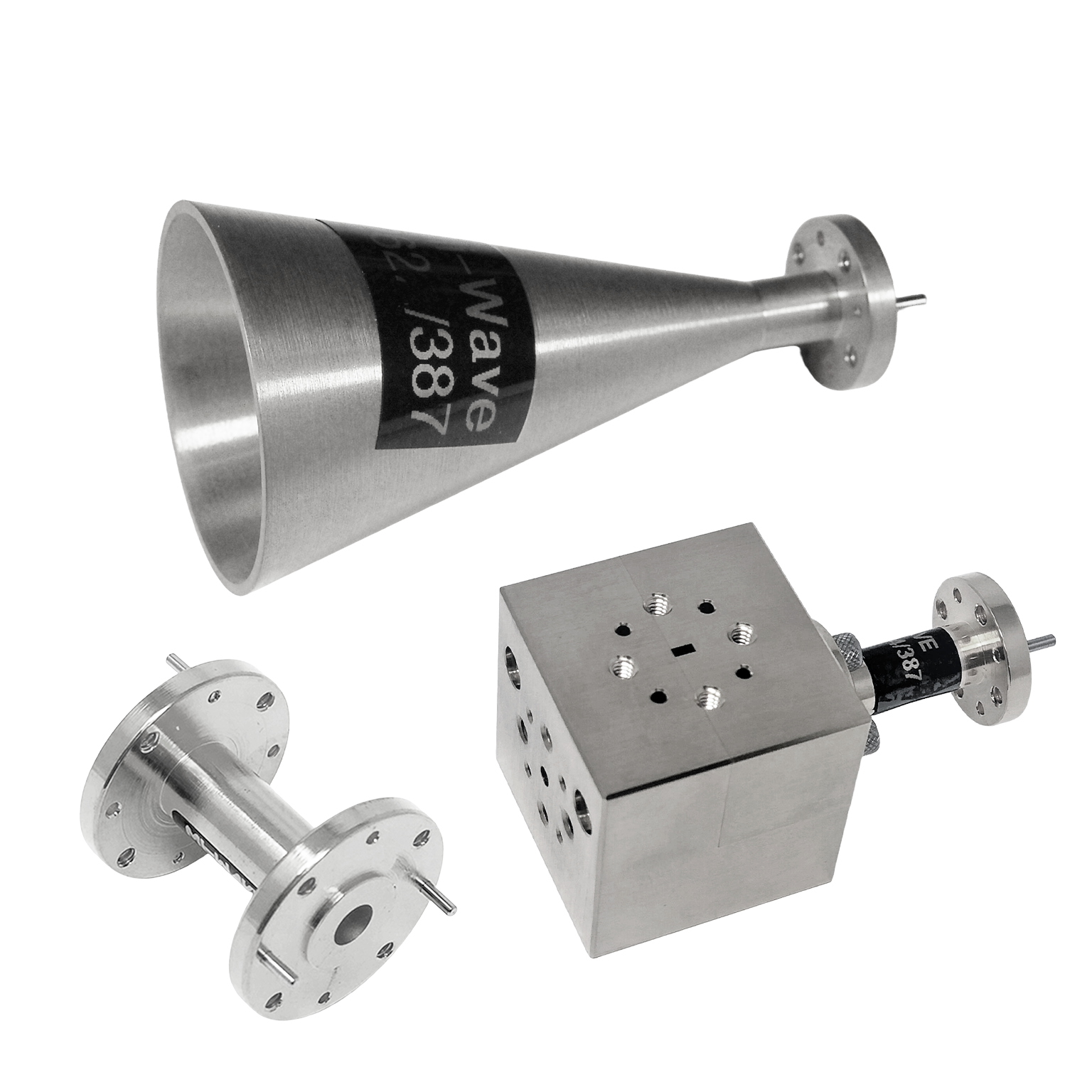
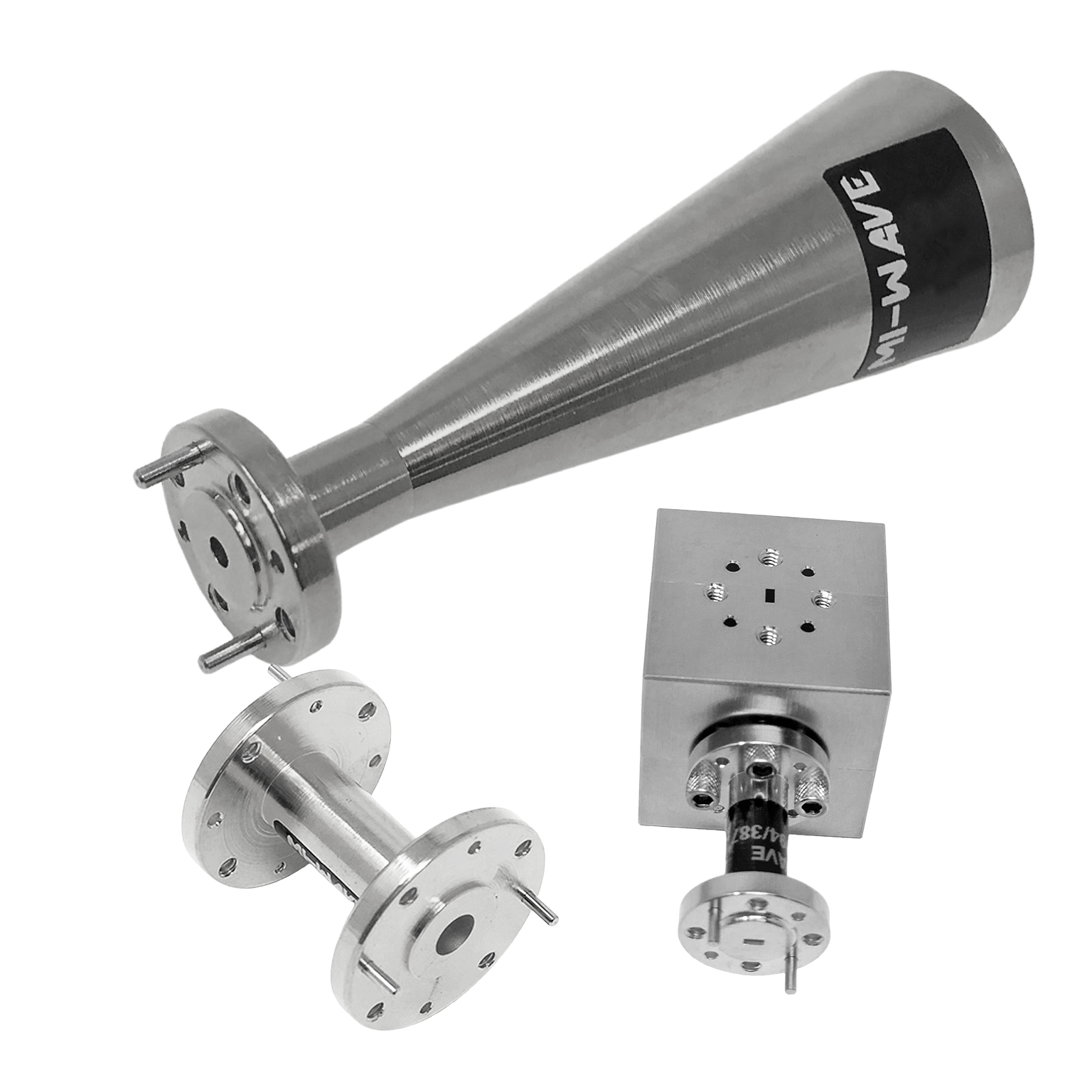
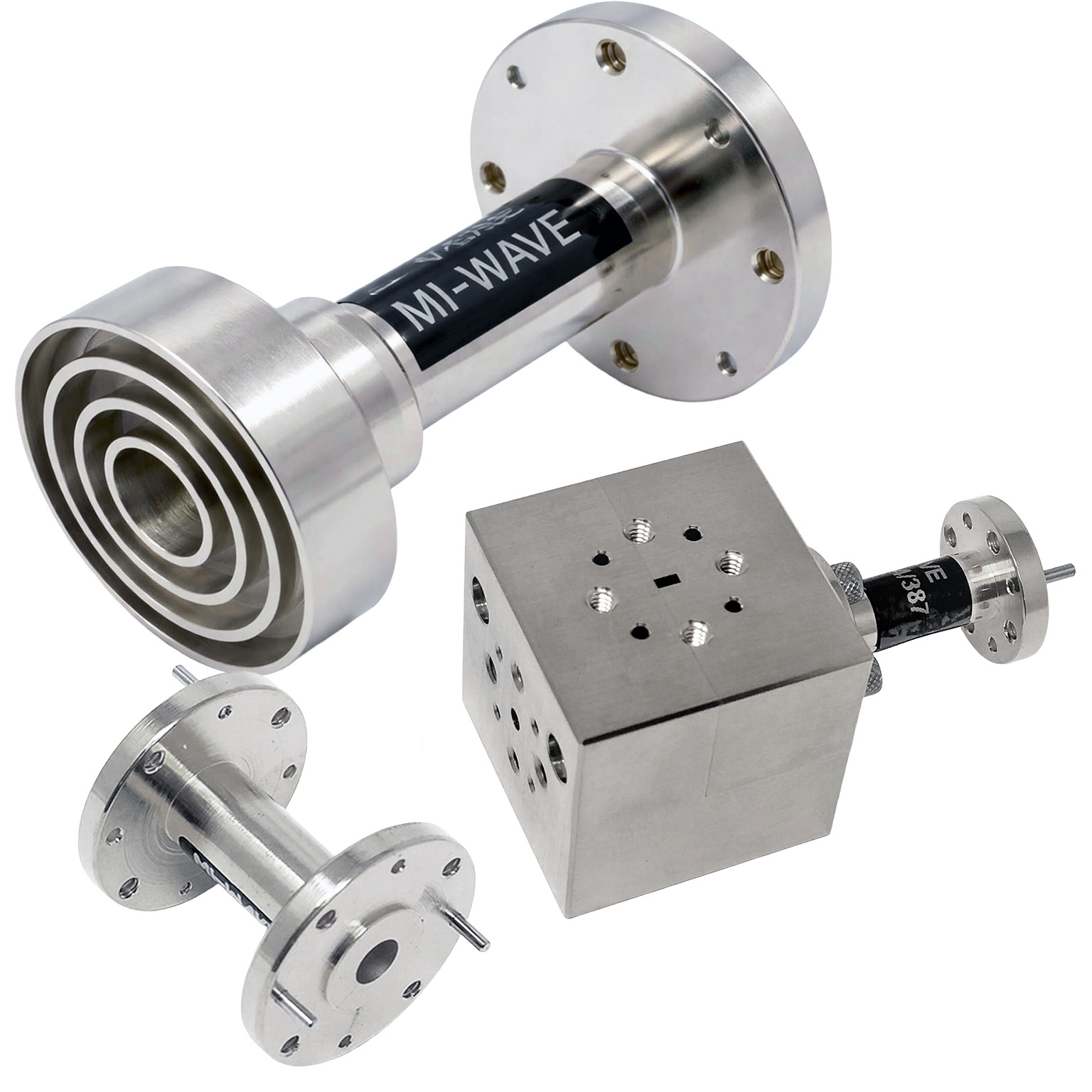
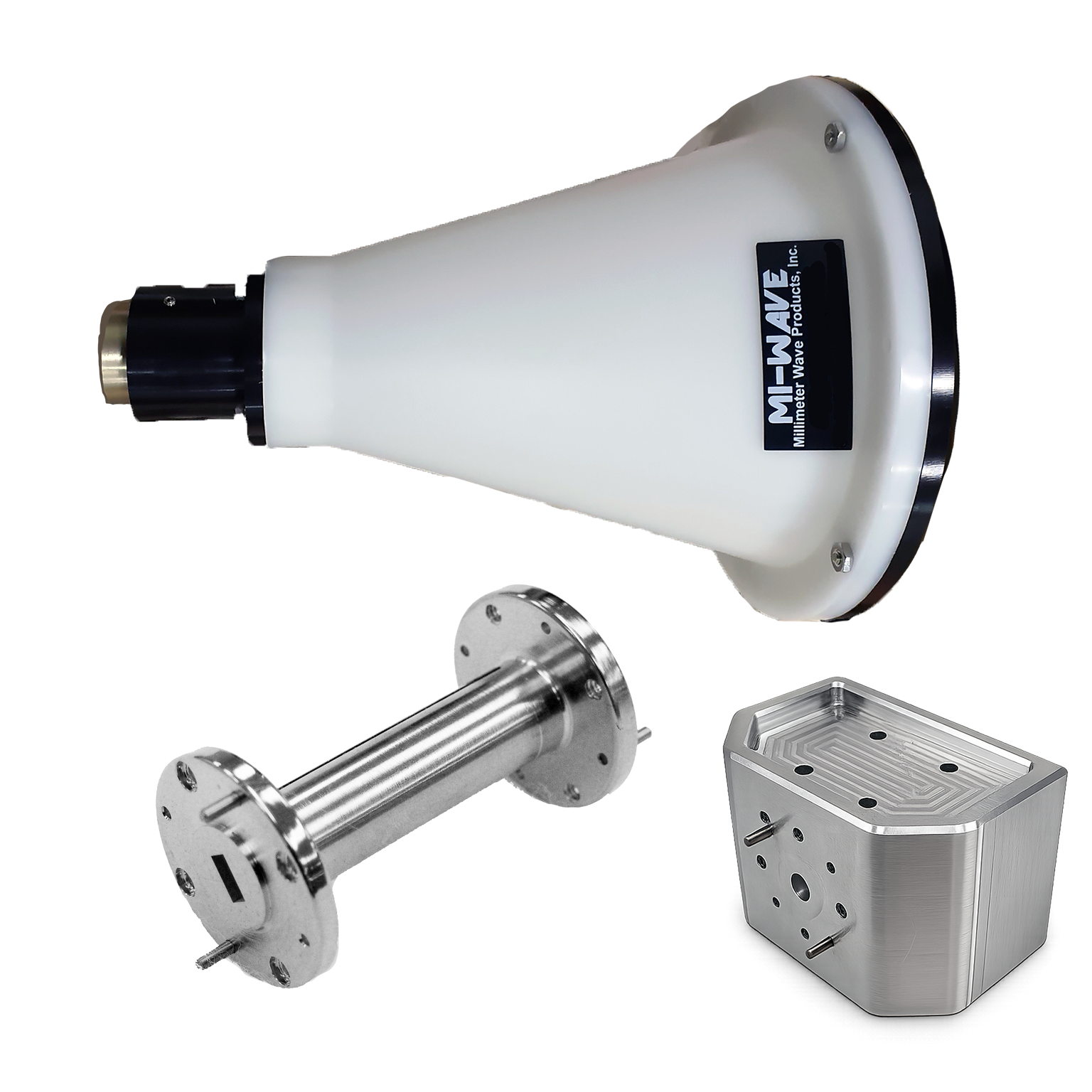
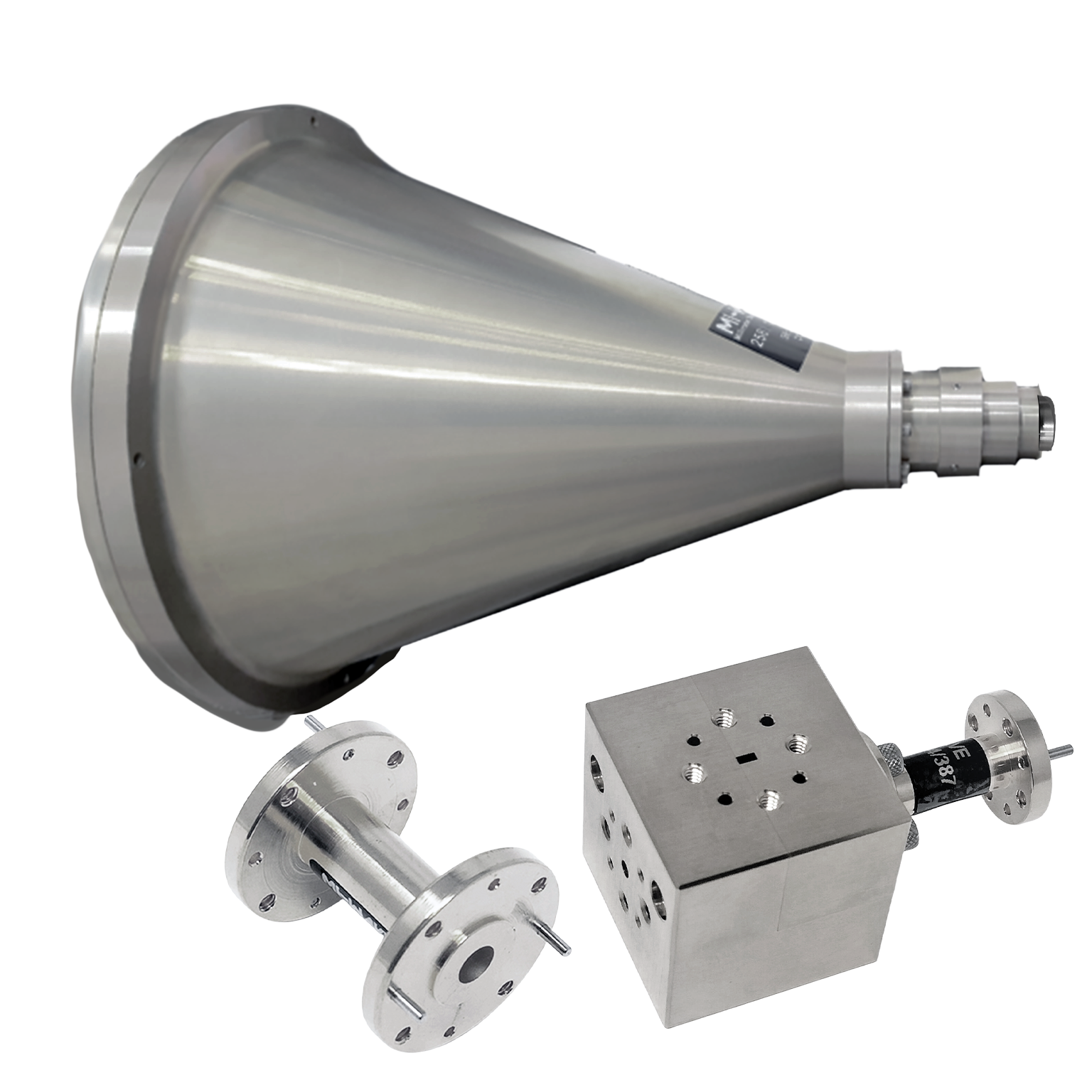
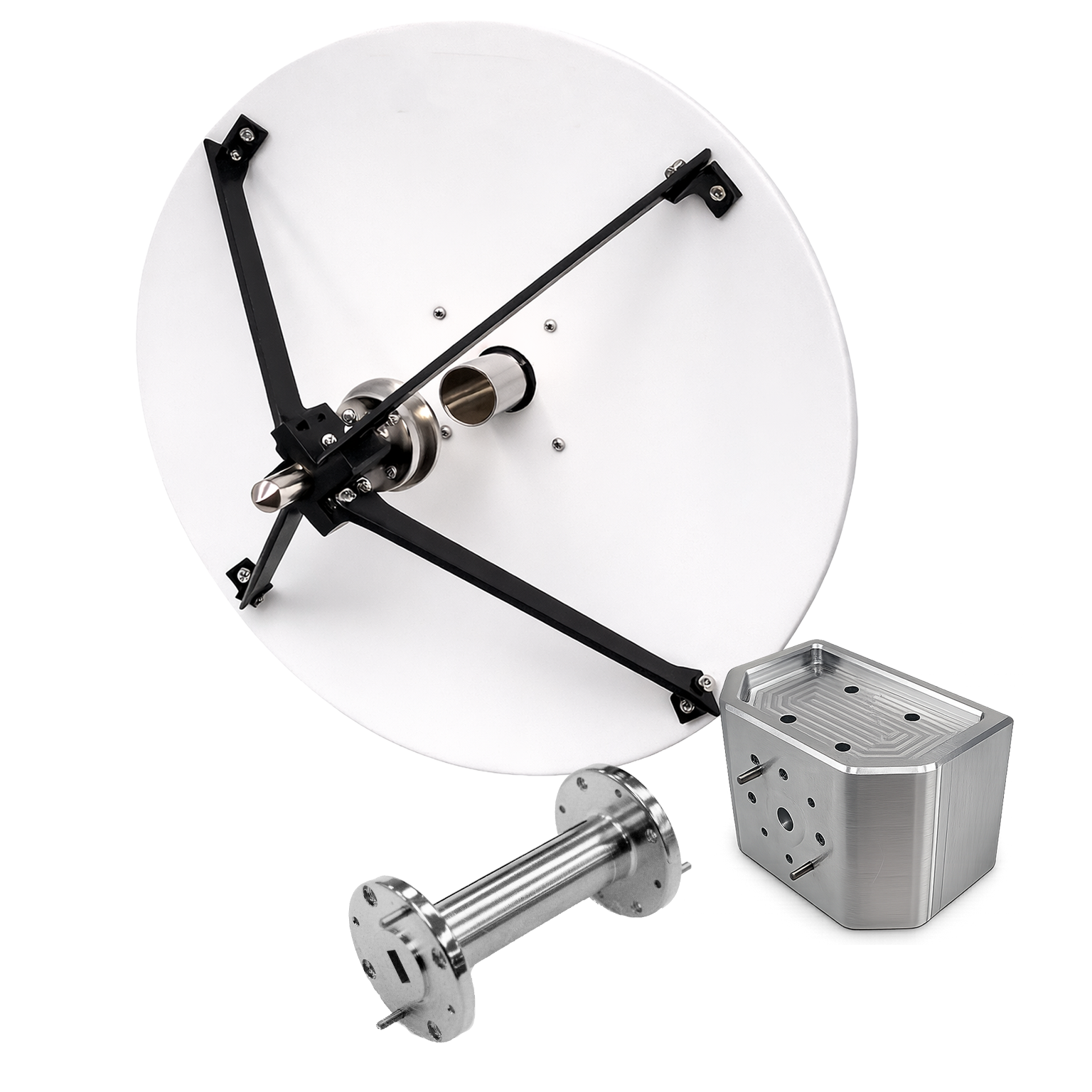
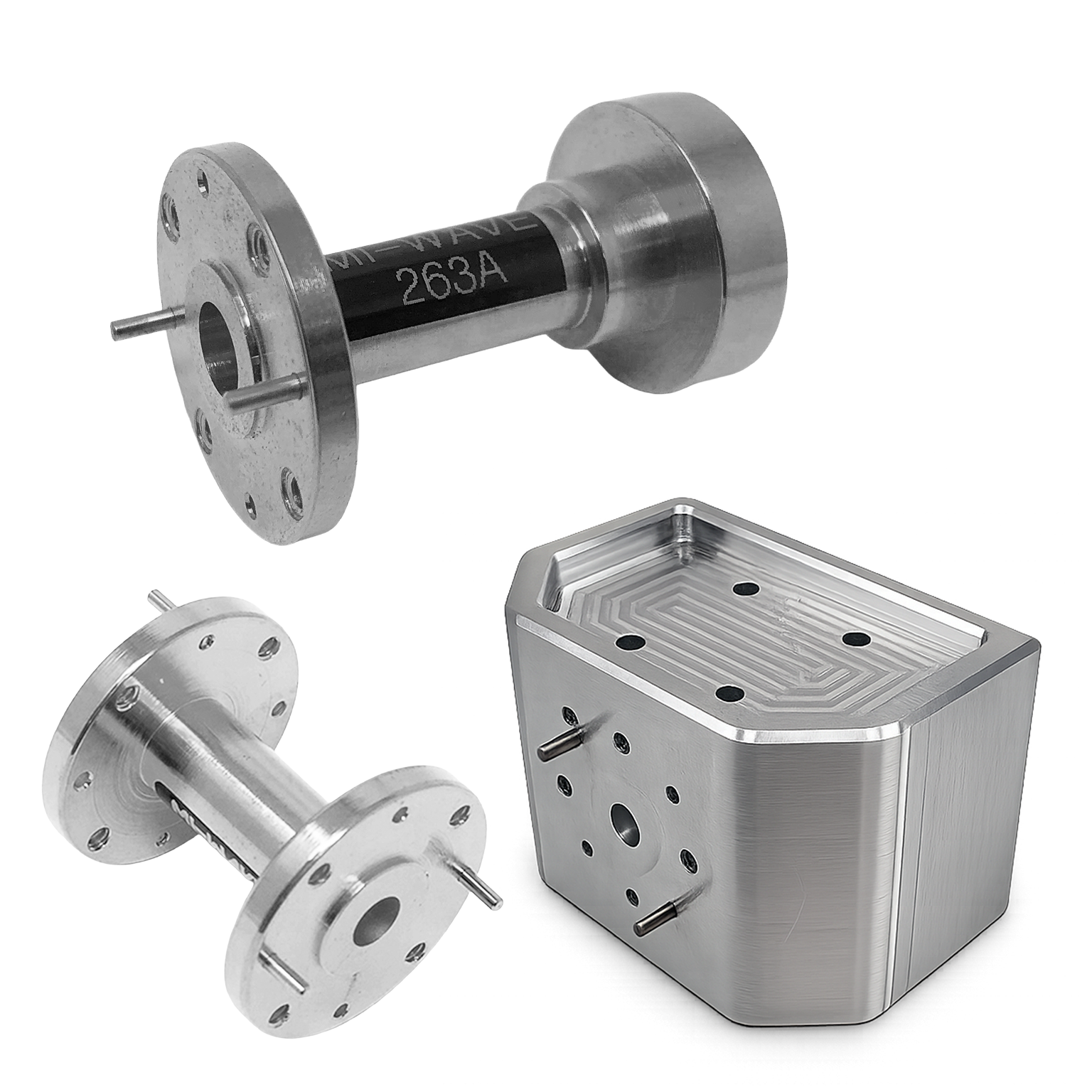
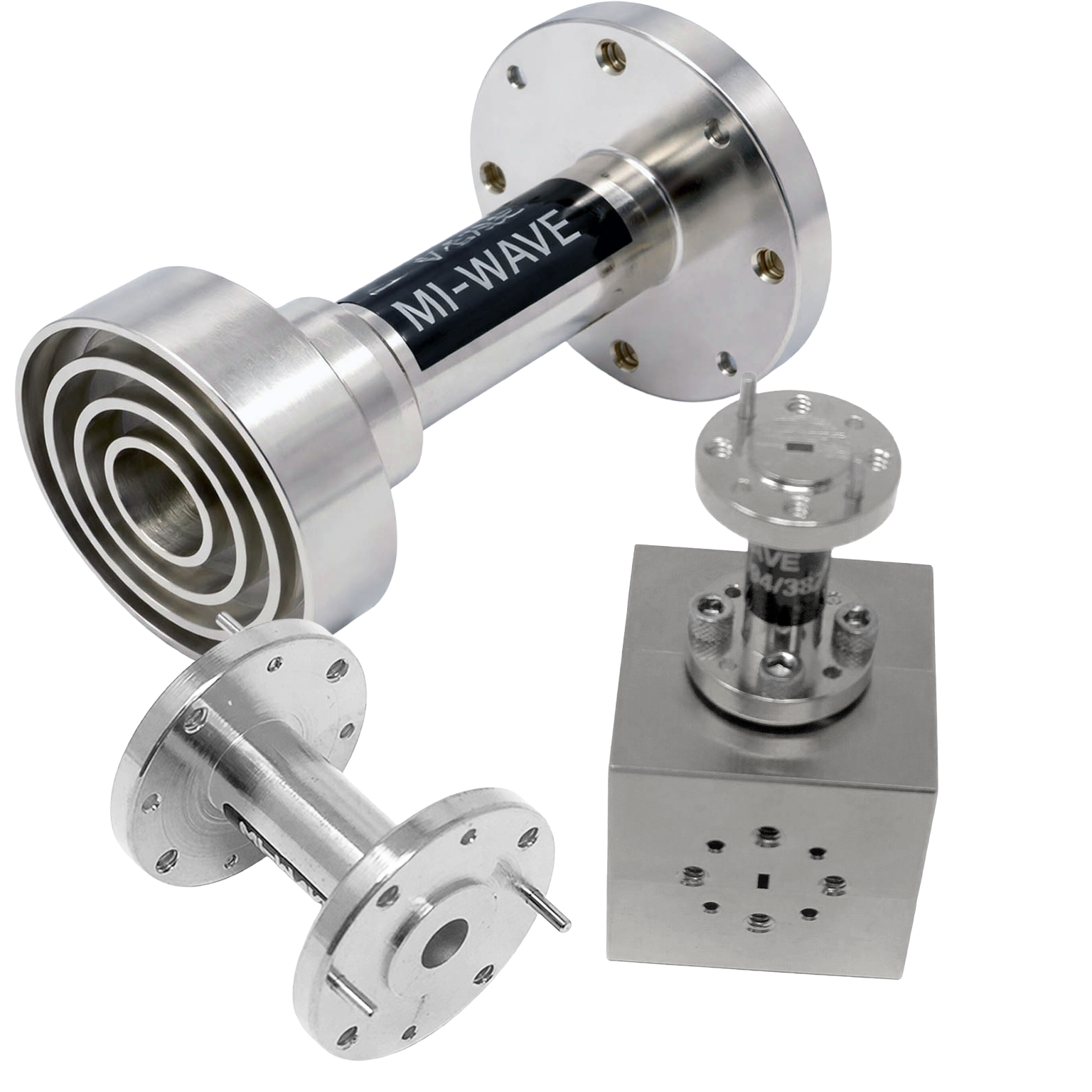
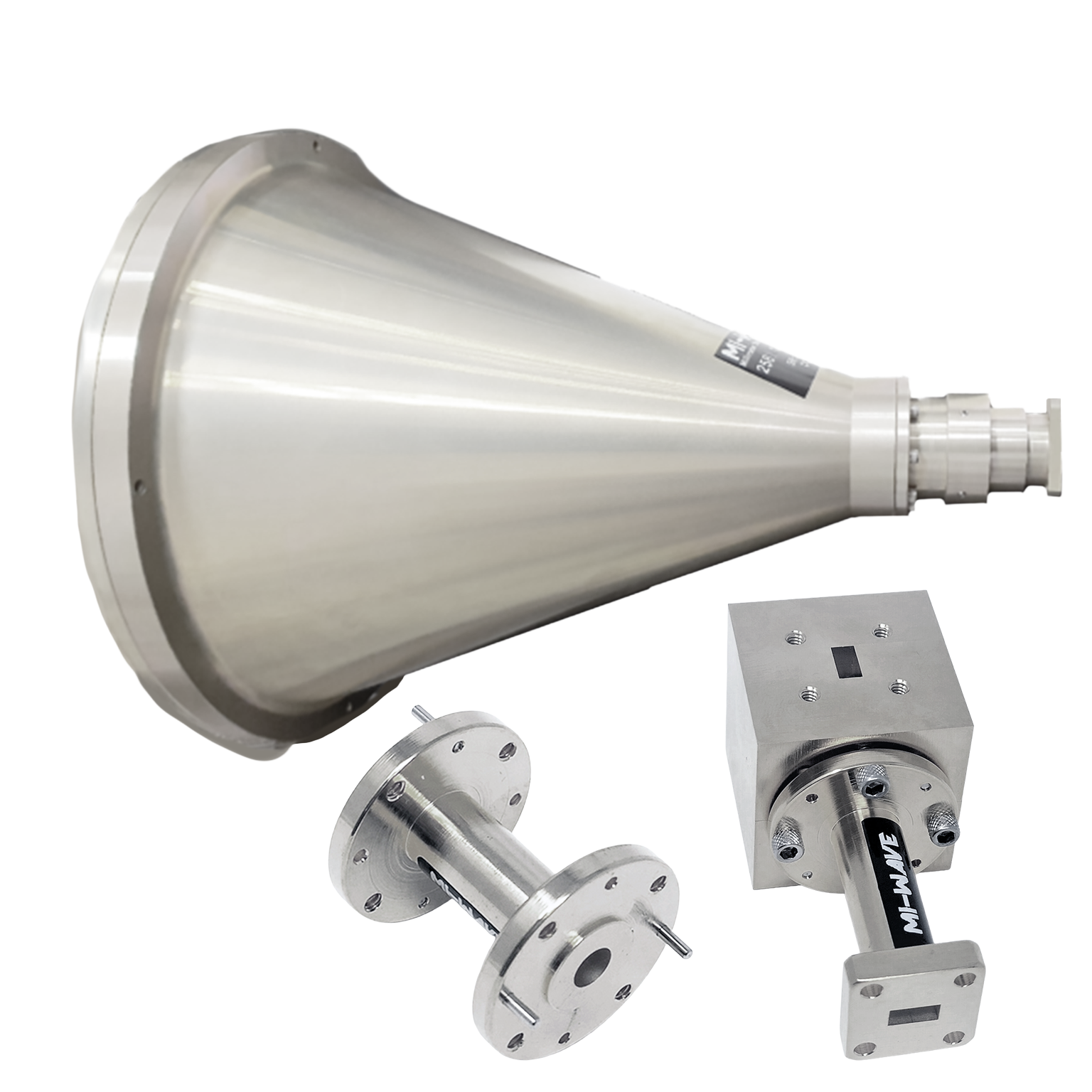
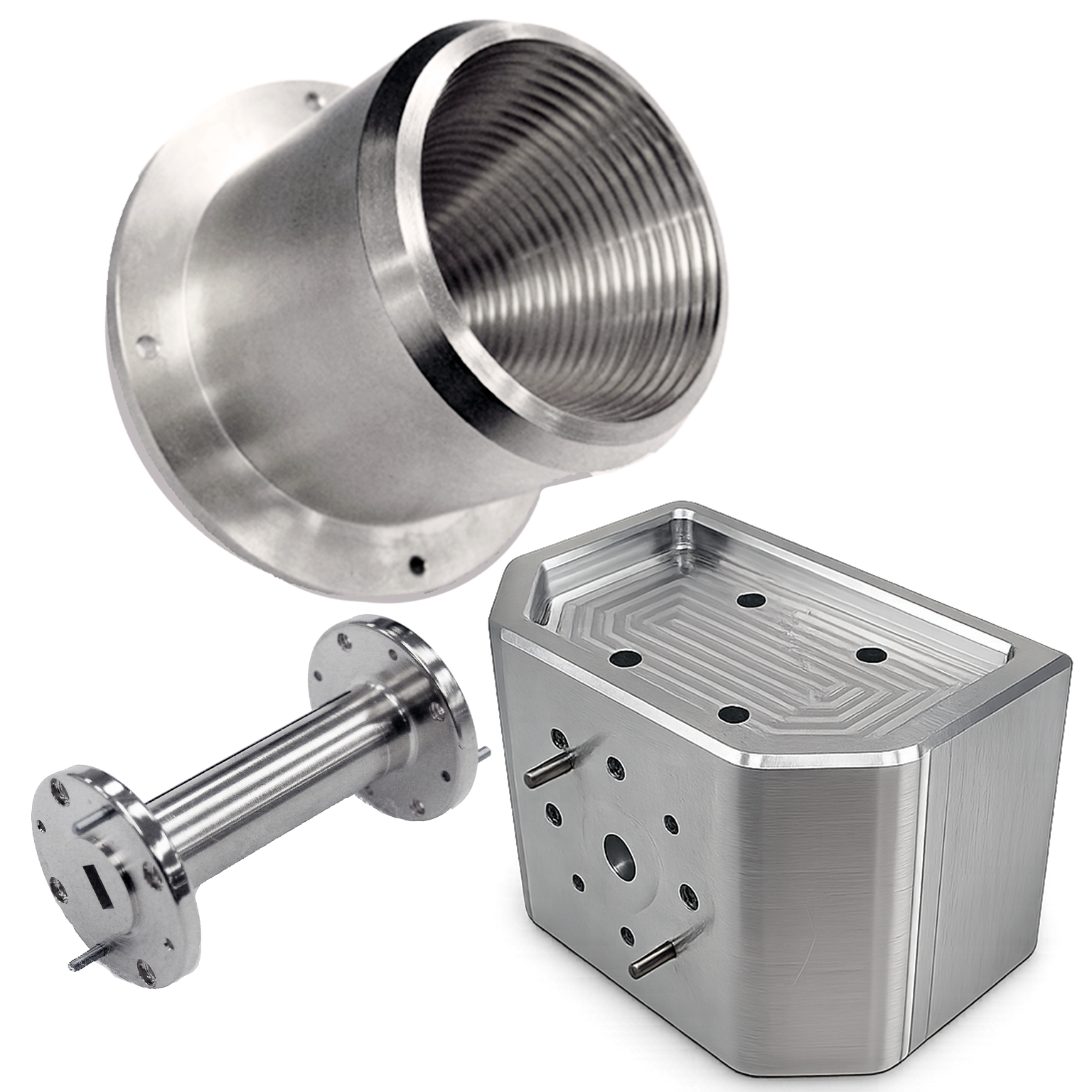
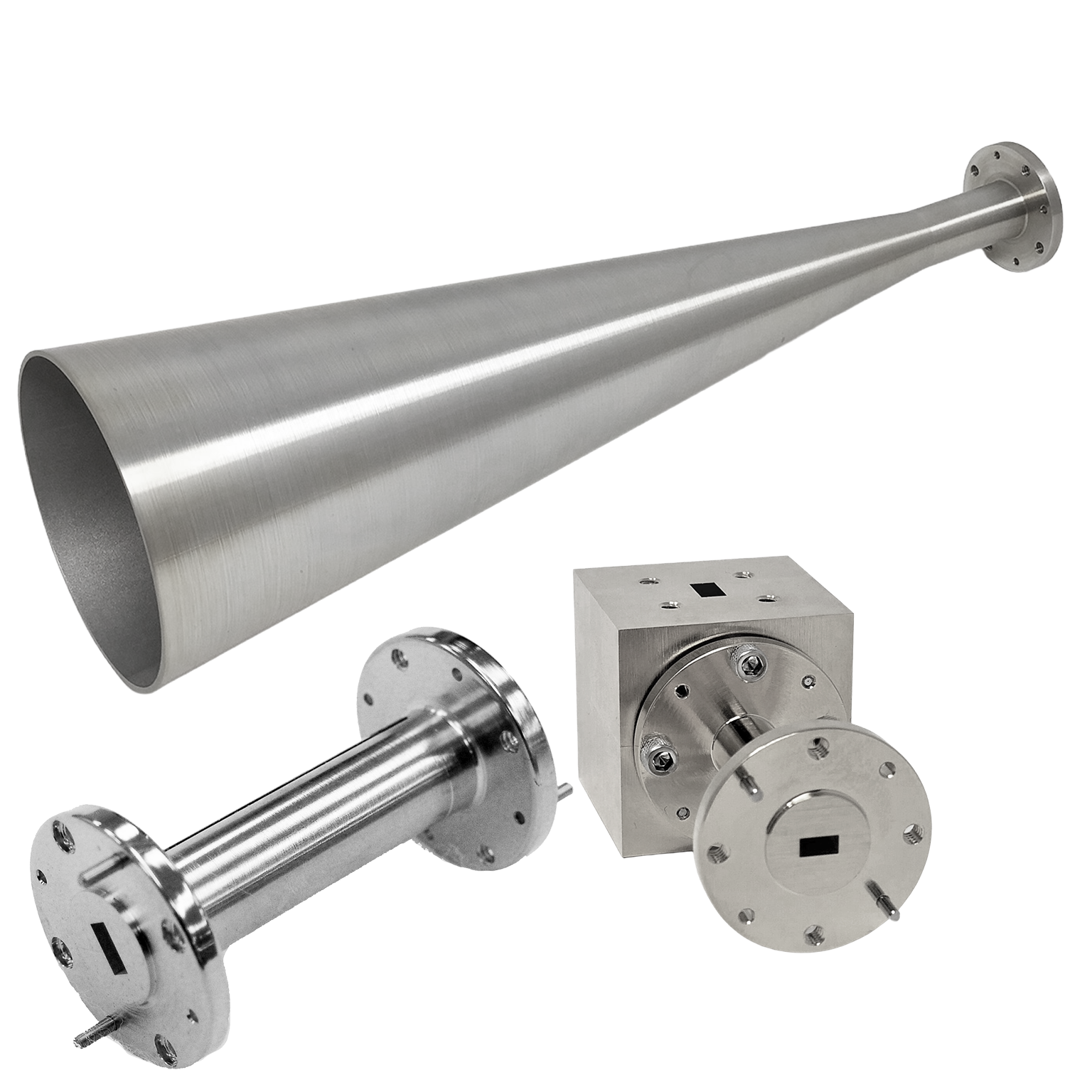
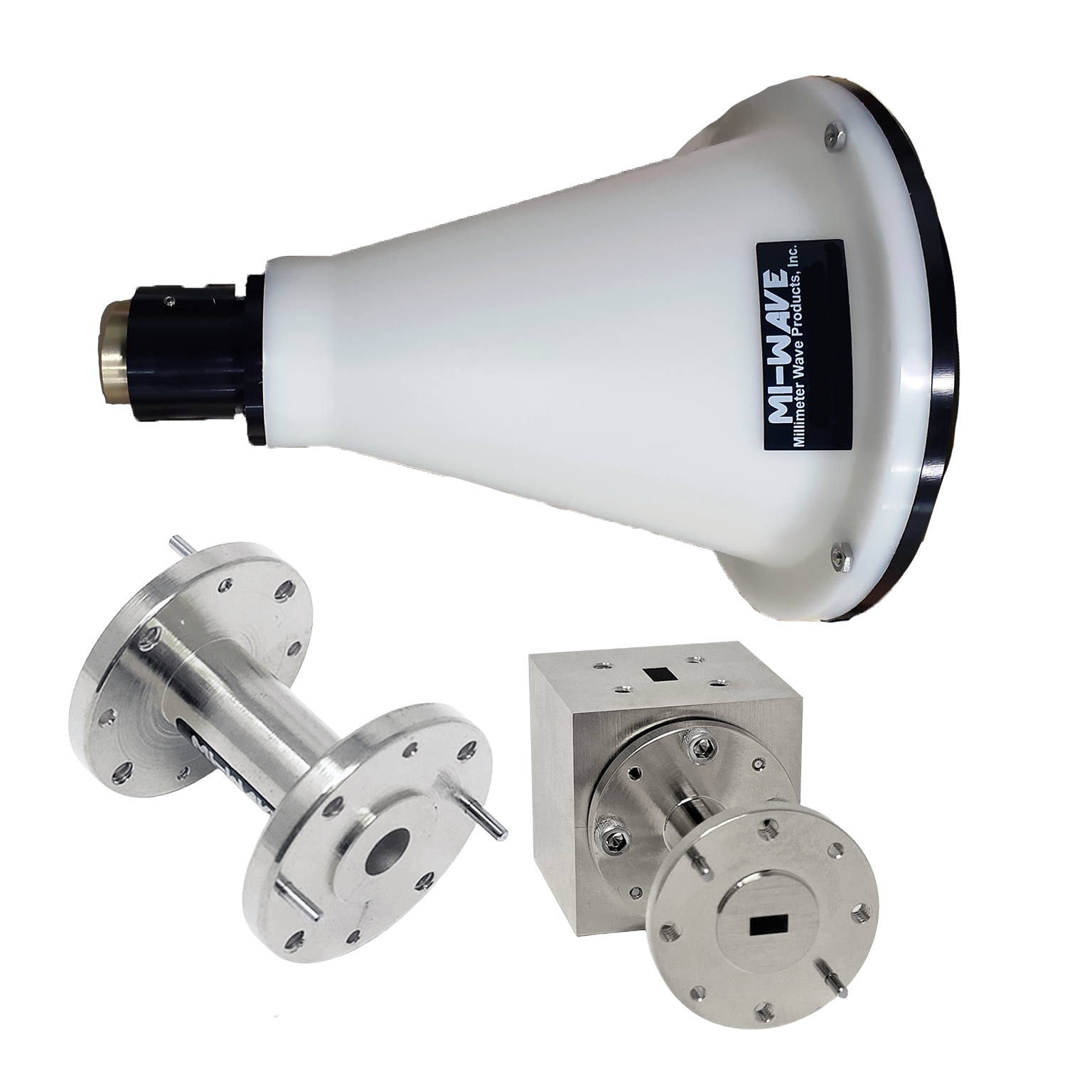
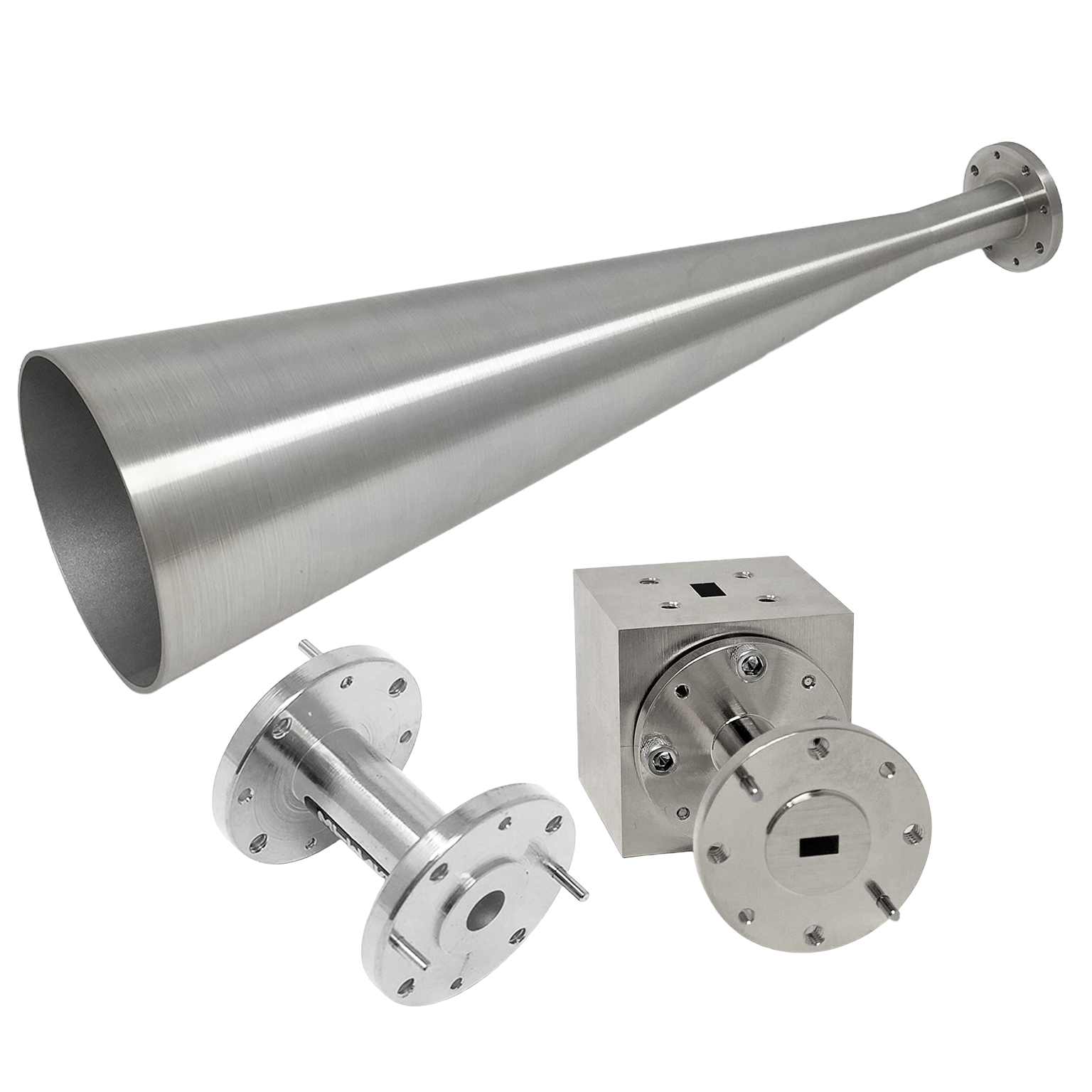
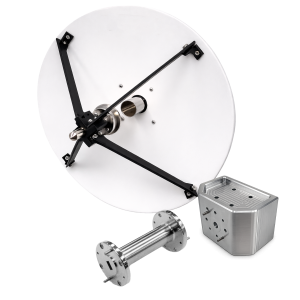
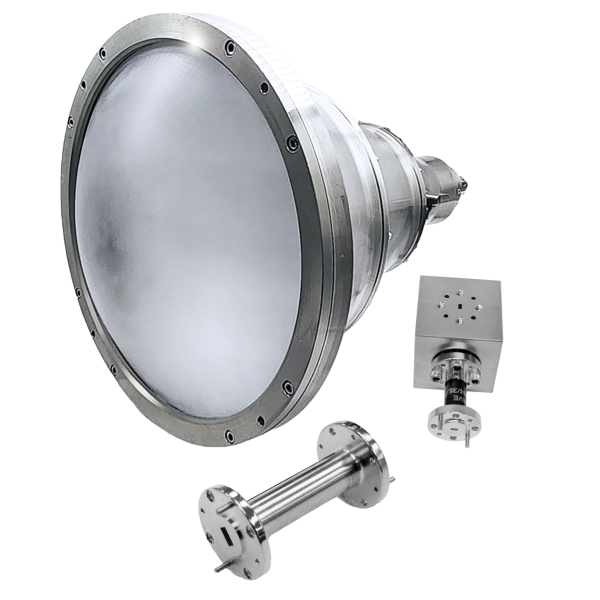
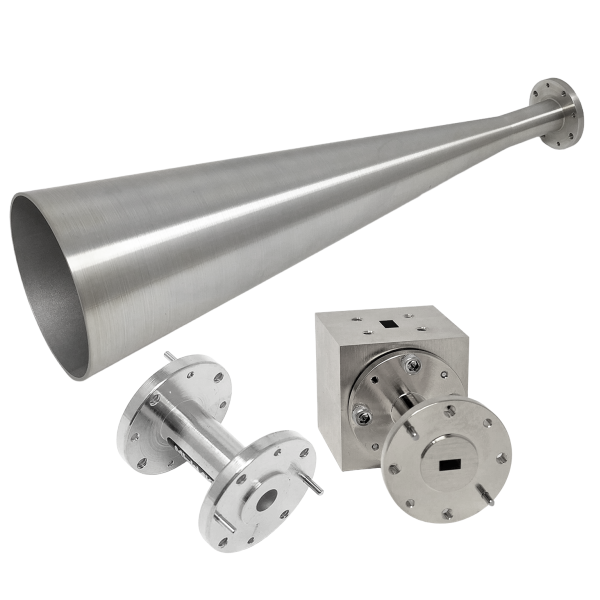
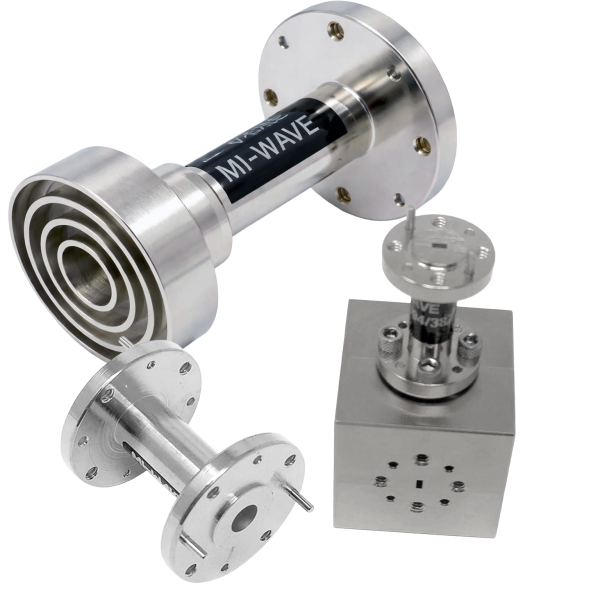
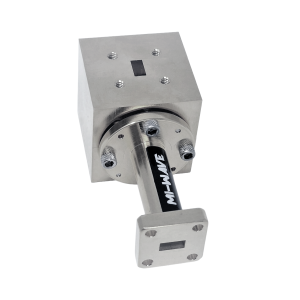
Mi-Wave supports advanced antenna polarization architectures using the Series 281 Orthomode Transducer (OMT) and Series 282 Linear to Circular RF Polarizers for RF, microwave, and millimeter-wave systems.
The Series 281 OMT enables dual-linear polarization by separating or combining Vertical (V) and Horizontal (H) signal paths within a shared waveguide structure, allowing two orthogonal RF channels to operate through the same antenna aperture with high isolation.
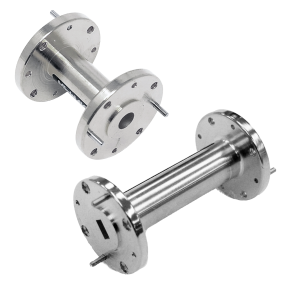
For circular polarization systems, the Series 282 Polarizer converts linearly polarized RF signals into Right-Hand Circular Polarization (RHCP) or Left-Hand Circular Polarization (LHCP) operation. Circular polarization helps reduce sensitivity to antenna orientation, improve polarization matching, and minimize multipath effects in satellite communications, radar systems, telemetry platforms, and advanced RF environments.
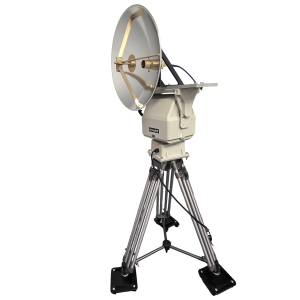
These polarization-control components can integrate with many Mi-Wave antenna platforms, including reflector antennas, horn antennas, scalar feed systems, and custom waveguide feed assemblies.
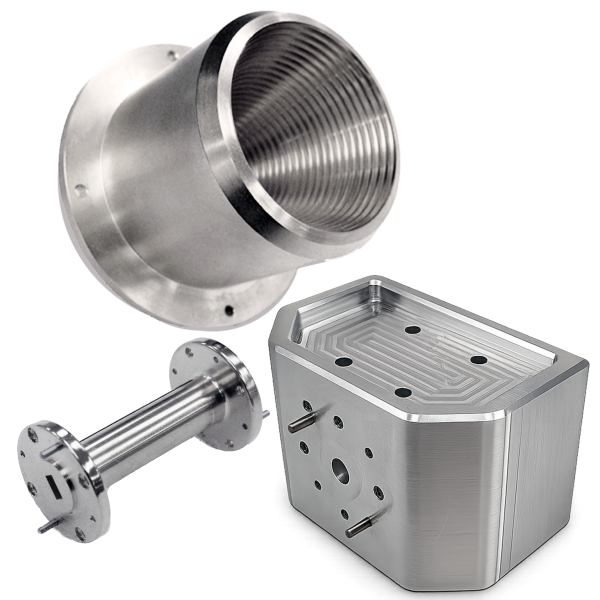
The standard models shown represent only part of Mi-Wave’s broader product capabilities. Custom configurations are available to support specific frequency bands, interfaces, and application requirements, enabling optimized solutions for specialized RF, microwave, and millimeter-wave systems.
How OMTs & Circular Polarizers Work
Mi-Wave supports advanced antenna polarization architectures using the Series 281 Orthomode Transducer (OMT) and Series 282 Linear to Circular RF Polarizers for RF, microwave, and millimeter-wave systems.
The Series 281 OMT enables dual-linear polarization by separating or combining Vertical (V) and Horizontal (H) signal paths within a shared waveguide structure, allowing two orthogonal RF channels to operate through the same antenna aperture with high isolation.
For circular polarization systems, the Series 282 Polarizer converts linearly polarized RF signals into Right-Hand Circular Polarization (RHCP) or Left-Hand Circular Polarization (LHCP) operation. Circular polarization helps reduce sensitivity to antenna orientation, improve polarization matching, and minimize multipath effects in satellite communications, radar systems, telemetry platforms, and advanced RF environments.
Separates or combines orthogonal V & H signal paths within the same waveguide structure.
Converts linearly polarized RF energy into RHCP or LHCP operation.
Linear RF Signals Enter
Vertical and Horizontal RF channels enter the system through separate waveguide paths.
OMT Separates Polarizations
The Series 281 OMT separates or combines orthogonal linear polarization channels with high isolation.
Polarizer Creates Circular Polarization
The Series 282 Polarizer introduces a controlled phase shift to generate RHCP or LHCP operation.
Integrated Antenna Operation
These polarization-control components integrate with Mi-Wave reflector antennas, horn antennas, and feed systems.
Features
Dual Polarization Support
Many Mi-Wave antenna systems support simultaneous Vertical (V) and Horizontal (H) polarization using Series 281 Orthomode Transducers (OMTs) and compatible feed architectures.
RHCP & LHCP Circular Polarization
Mi-Wave Series 282 Linear to Circular RF Polarizers support Right-Hand Circular Polarization (RHCP) and Left-Hand Circular Polarization (LHCP) for applications requiring circularly polarized antenna performance.
Wide Frequency Coverage
Mi-Wave antennas support microwave and millimeter-wave frequency bands from approximately 5 GHz through 110 GHz and beyond, depending on antenna configuration.
High Gain & Narrow Beamwidth
Reflector and horn antenna systems provide controlled directional radiation patterns for long-range RF communication, radar, and measurement applications.
Stable Radiation Performance
Precision reflector geometry and feed integration help maintain predictable beam symmetry, sidelobe performance, and polarization characteristics.
Waveguide Compatibility
Antenna systems support integration with standard WR-series waveguide interfaces, feed horns, OMTs, polarizers, amplifiers, converters, and RF subsystems.
Rugged Mechanical Construction
Available materials include aluminum and metallized fiberglass structures optimized for laboratory, outdoor, airborne, and harsh-environment applications.
Custom Configurations Available
Custom reflector sizes, polarization options, feed systems, mounting arrangements, frequency ranges, OMT integration, and polarizer configurations are available to support specialized applications.
Applications
Mi-Wave dual-polarized antenna systems and Series 281 Orthomode Transducers (OMTs) are used in RF, microwave, and millimeter-wave systems where simultaneous vertical and horizontal polarization operation, high isolation, and efficient antenna integration are required.
Satellite Communications (SatCom)
Dual-polarized antenna systems support simultaneous transmit and receive paths, polarization diversity, and improved spectral efficiency in satellite communication ground stations and high-capacity links.
Radar Systems
Used in radar and tracking systems requiring stable polarization performance, high isolation between channels, and reliable high-frequency antenna operation.
Telemetry & Tracking
Supports telemetry, flight testing, and tracking systems where directional antenna performance and dual-channel operation are critical.
RF & Microwave Laboratories
Integrated into laboratory systems, antenna measurement ranges, and RF validation platforms for polarization testing and microwave characterization.
Millimeter-Wave Research
Supports advanced mmWave communication, sensing, imaging, and research systems operating across microwave and millimeter-wave frequency bands.
EMC & EMI Testing
Used in electromagnetic compatibility and interference testing environments where controlled antenna performance and repeatable radiation patterns are required.
Point-to-Point Communication Links
Enables high-gain directional communication links with polarization diversity and improved channel capacity using shared antenna apertures.
Aerospace & Defense Systems
Integrated into airborne, ground-based, and defense RF systems requiring compact integration, dual-channel capability, and stable microwave performance.
Antenna & Polarization Calculators
Estimate antenna gain, beamwidth, wavelength, OMT isolation leakage, polarization mismatch loss, axial ratio, and cross-polarization discrimination for RF, microwave, and millimeter-wave antenna systems.
Antenna Gain
Beamwidth
Wavelength
OMT Isolation Leakage
Linear Polarization Mismatch
Axial Ratio
Cross-Polarization Discrimination
Frequently Asked Questions (FAQ)
What is an Orthomode Transducer (OMT)?
An Orthomode Transducer (OMT) is a waveguide component that separates or combines two orthogonal linear polarizations, typically Vertical (V) and Horizontal (H), within a shared waveguide structure.
What does the Series 281 OMT do?
Mi-Wave’s Series 281 OMT enables dual-polarized antenna operation by allowing two independent RF channels to share the same antenna aperture while maintaining high isolation between polarization paths.
What is dual polarization?
Dual polarization allows an antenna system to simultaneously support two orthogonal polarization channels, usually Vertical and Horizontal polarization, improving spectral efficiency and system flexibility.
What is circular polarization?
Circular polarization occurs when the electromagnetic field rotates as the wave propagates through space. Circular polarization may be configured as:
- Right-Hand Circular Polarization (RHCP)
- Left-Hand Circular Polarization (LHCP)
What does the Series 282 Linear to Circular RF Polarizer do?
The Series 282 Polarizer converts linearly polarized RF energy into RHCP or LHCP circular polarization for microwave and millimeter-wave antenna systems.
Why use RHCP or LHCP?
RHCP and LHCP systems help reduce sensitivity to antenna orientation, improve polarization matching, and minimize multipath effects in satellite communication, radar, telemetry, and airborne RF systems.
What antenna systems are compatible with OMTs and polarizers?
Mi-Wave OMTs and polarizers can integrate with:
- Cassegrain Reflector Antennas
- Prime Focus Reflector Antennas
- Horn Lens Antennas
- Conical Horn Antennas
- Scalar Feed Horns
- Wide-Angle Scalar Feed Horns
- Standard Gain Horn Antennas
What frequency ranges are supported?
Supported frequency coverage depends on configuration and antenna platform, with many Mi-Wave systems supporting microwave and millimeter-wave operation from approximately 5 GHz through 110 GHz and beyond.
What industries use dual-polarized and circularly polarized antenna systems?
Common applications include:
- Satellite Communications (SatCom)
- Radar Systems
- Telemetry & Tracking
- Aerospace & Defense
- RF & Microwave Laboratories
- EMC & EMI Testing
- Antenna Measurement Ranges
- Millimeter-Wave Research
What is polarization isolation?
Polarization isolation is the ability of an antenna or OMT system to separate desired polarization channels from unwanted cross-polarized signals. Higher isolation improves signal quality and reduces interference between channels.
What is polarization mismatch loss?
Polarization mismatch loss occurs when transmit and receive antennas are not properly aligned in polarization orientation, reducing received signal strength and system efficiency.
Can Mi-Wave provide custom polarization solutions?
Yes. Mi-Wave supports custom OMTs, polarizers, antenna feed systems, waveguide interfaces, frequency bands, and integrated polarization architectures for specialized RF and microwave applications.
Glossary of Polarization & Antenna Terms
Antenna Polarization
The orientation of the electromagnetic field radiated by an antenna.
Linear Polarization
A polarization type where the electric field remains fixed along a single axis, typically Vertical or Horizontal.
Vertical Polarization (V)
A linear polarization orientation where the electric field is aligned vertically.
Horizontal Polarization (H)
A linear polarization orientation where the electric field is aligned horizontally.
Dual Polarization
An antenna architecture supporting two orthogonal polarization paths simultaneously, commonly Vertical and Horizontal polarization.
Circular Polarization
A polarization type where the electromagnetic field rotates continuously as the wave propagates through space.
Right-Hand Circular Polarization (RHCP)
A circular polarization where the electric field rotates clockwise relative to the direction of propagation.
Left-Hand Circular Polarization (LHCP)
A circular polarization where the electric field rotates counterclockwise relative to the direction of propagation.
Orthomode Transducer (OMT)
A waveguide component that separates or combines two orthogonal linear polarization paths within a shared waveguide structure.
Series 281 OMT
Mi-Wave’s Orthomode Transducer product family designed for dual-polarized RF, microwave, and millimeter-wave antenna systems.
Linear to Circular RF Polarizer
A waveguide component that converts linearly polarized RF signals into circularly polarized signals.
Series 282 Polarizer
Mi-Wave’s Linear to Circular RF Polarizer product family supporting RHCP and LHCP operation.
Polarization Isolation
The ability of an antenna or OMT system to separate desired polarization channels from unwanted cross-polarized signals.
Cross-Polarization
Unwanted RF energy received or transmitted in the incorrect polarization orientation.
Cross-Polarization Discrimination (XPD)
A measurement of how well a system rejects unwanted cross-polarized signals.
Polarization Purity
A measurement of how accurately an antenna maintains the intended polarization type.
Polarization Mismatch Loss
Signal loss caused by misalignment between transmit and receive antenna polarization orientations.
Axial Ratio
A measurement of circular polarization quality describing the ratio between the major and minor polarization axes.
Waveguide
A metallic RF structure used to guide electromagnetic energy between components.
Circular Waveguide
A cylindrical waveguide commonly used in dual-polarized and circularly polarized RF systems.
Aperture
The effective opening or radiating area of an antenna.
Radiation Pattern
A graphical representation of how RF energy radiates from an antenna in space.
Beamwidth
The angular width of the main antenna radiation beam.
Gain
A measure of how effectively an antenna directs RF energy in a specific direction.
VSWR (Voltage Standing Wave Ratio)
A measurement of impedance matching efficiency between RF components.
Insertion Loss
The amount of signal power lost as RF energy passes through a component or system.
Microwave Frequencies
Typically refers to RF frequencies from approximately 1 GHz to 30 GHz.
Millimeter-Wave (mmWave)
Typically refers to frequencies from approximately 30 GHz to 300 GHz.
SatCom (Satellite Communications)
RF communication systems that transmit and receive signals through satellites.
Antenna Feed System
The RF structure that transfers electromagnetic energy between the antenna and connected RF components.
Polarization Diversity
A communication technique using multiple polarization paths to improve signal reliability and channel performance.
Shared Antenna Aperture
A system architecture where multiple polarization channels operate through the same antenna opening.
Reflector Antenna
An antenna using a shaped reflector surface to focus and direct RF energy.
Horn Antenna
A flared waveguide antenna designed to efficiently radiate RF energy into free space.
Interested in this product or other Mi-Wave solutions?
Contact our team to discuss your frequency range, interface needs, and application requirements.
Custom configurations are available for specialized RF, microwave, and millimeter-wave systems.
Return to Antennas
Return to Products Page